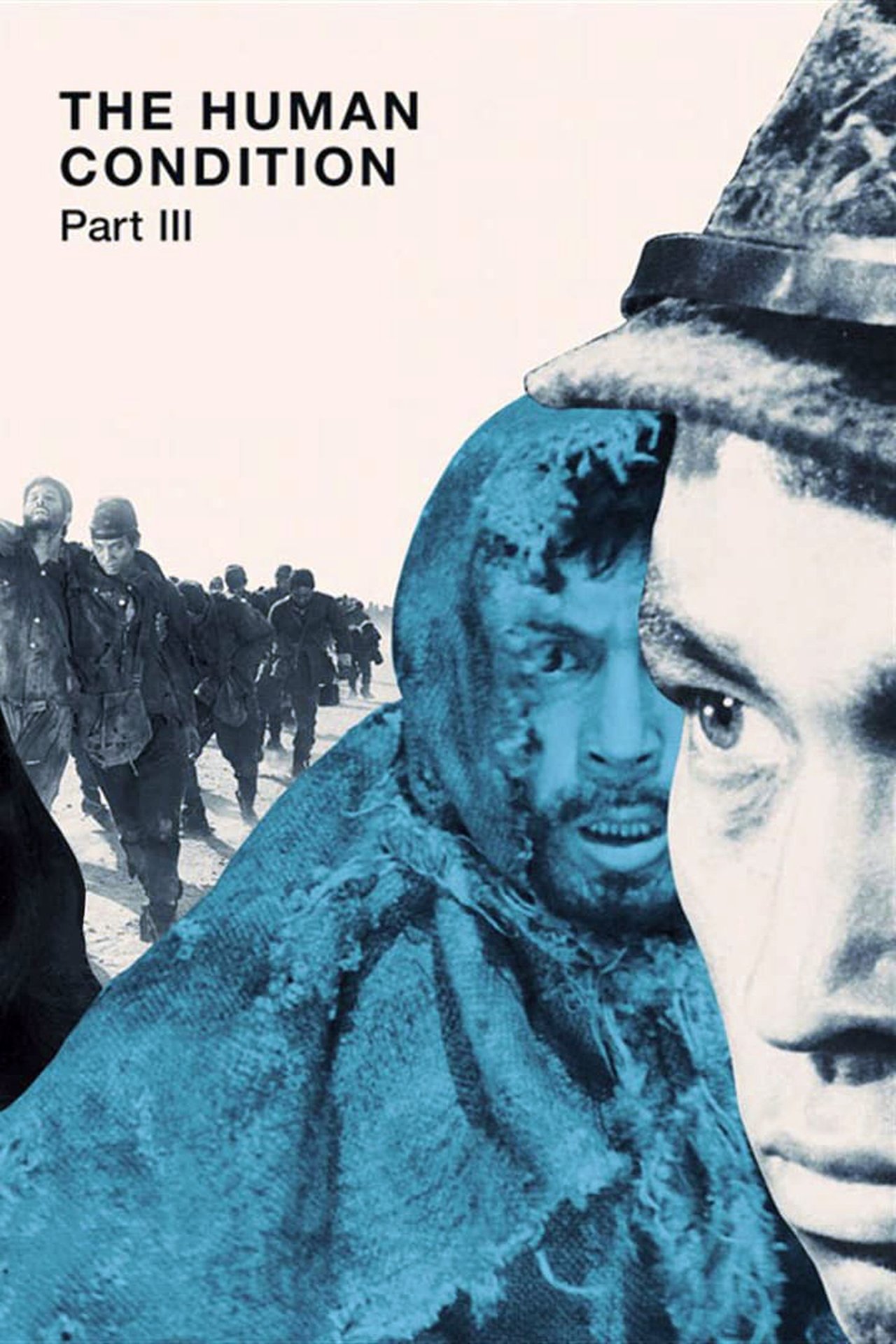
The Human Condition III: A Soldier's Prayer
Love is the Condition for Being Human.
After the Japanese defeat to the Russians, Kaji leads the last remaining men through Manchuria. Intent on returning to his old life, he faces great odds in a variety of different harrowing circumstances as he and his men sneak behind enemy lines.
4.2/5
TMDB score· 216 votes
Synopsis
After the Japanese defeat to the Russians, Kaji leads the last remaining men through Manchuria. Intent on returning to his old life, he faces great odds in a variety of different harrowing circumstances as he and his men sneak behind enemy lines.
The vibe
japanchinaworld war iiprisoner of warmanchuriasequelsoldierchinesejapanese armyphilosophical
Behind it


Cast
 Tatsuya NakadaiKaji
 Michiyo AratamaMichiko
 Tamao NakamuraHinannmin no Shôjo
 Yūsuke KawazuTerada Nitôhei
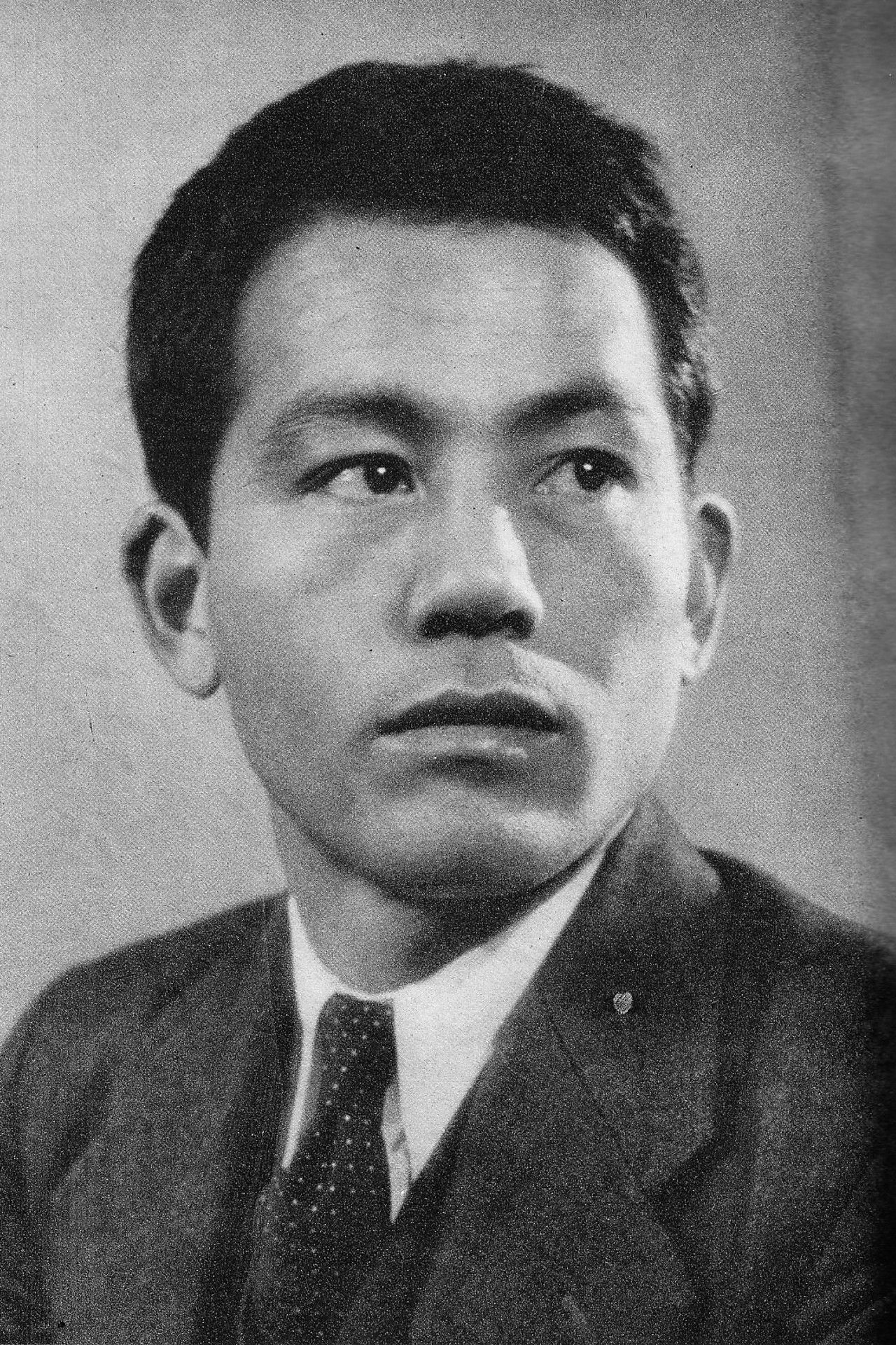 Chishū RyūHinanmin no Chôrô
 Taketoshi NaitōTange Ittôhei
 Kyôko KishidaRyûko
 Reiko HitomiUmeko
 Keijirō MorozumiHironaka GôchôKoji KiyomuraHikita Ittôhei
 Nobuo KanekoKirihara Gôchô
 Fujio SugaNagata Taii
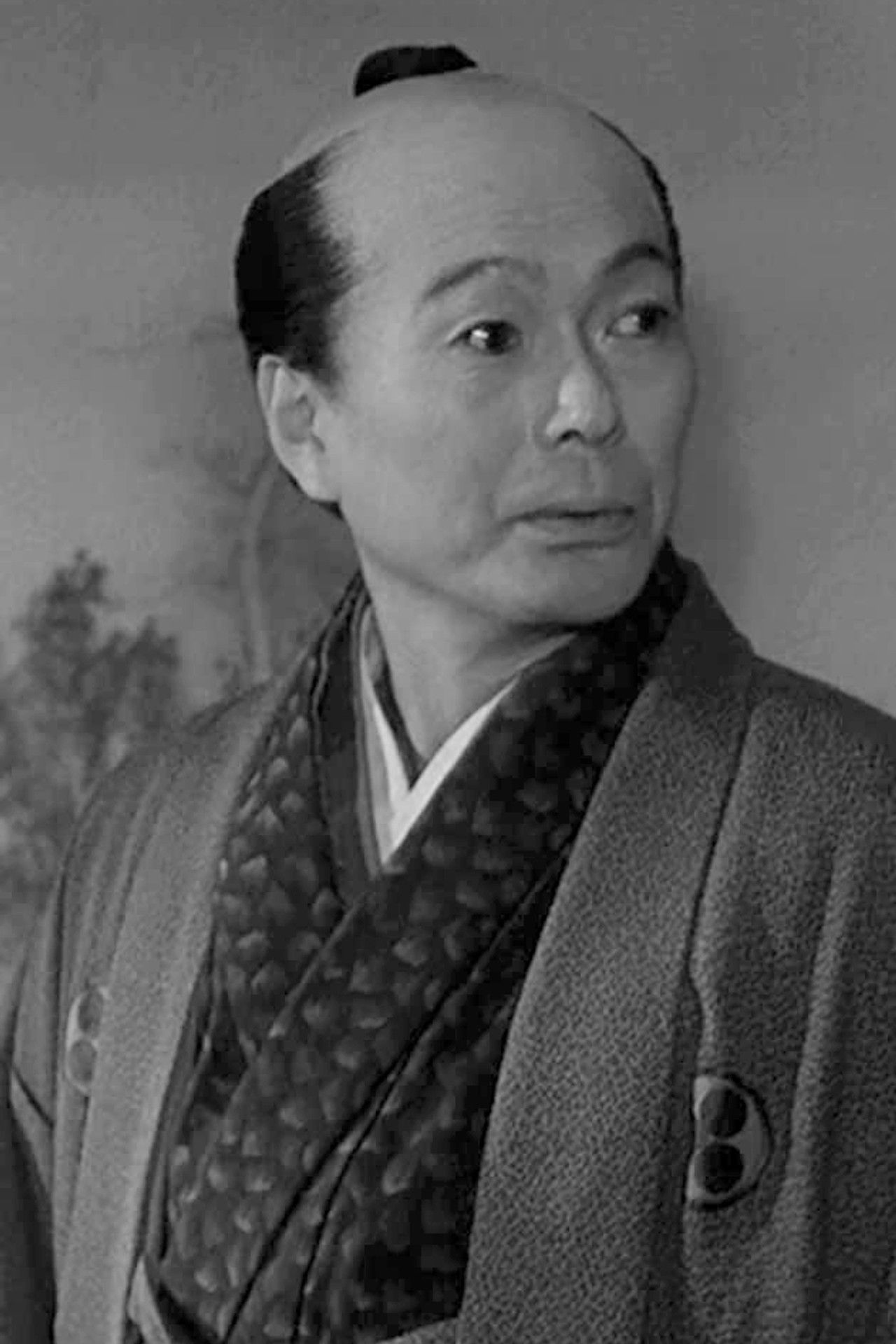 Tatsuya IshiguroDôkutsu Taichô
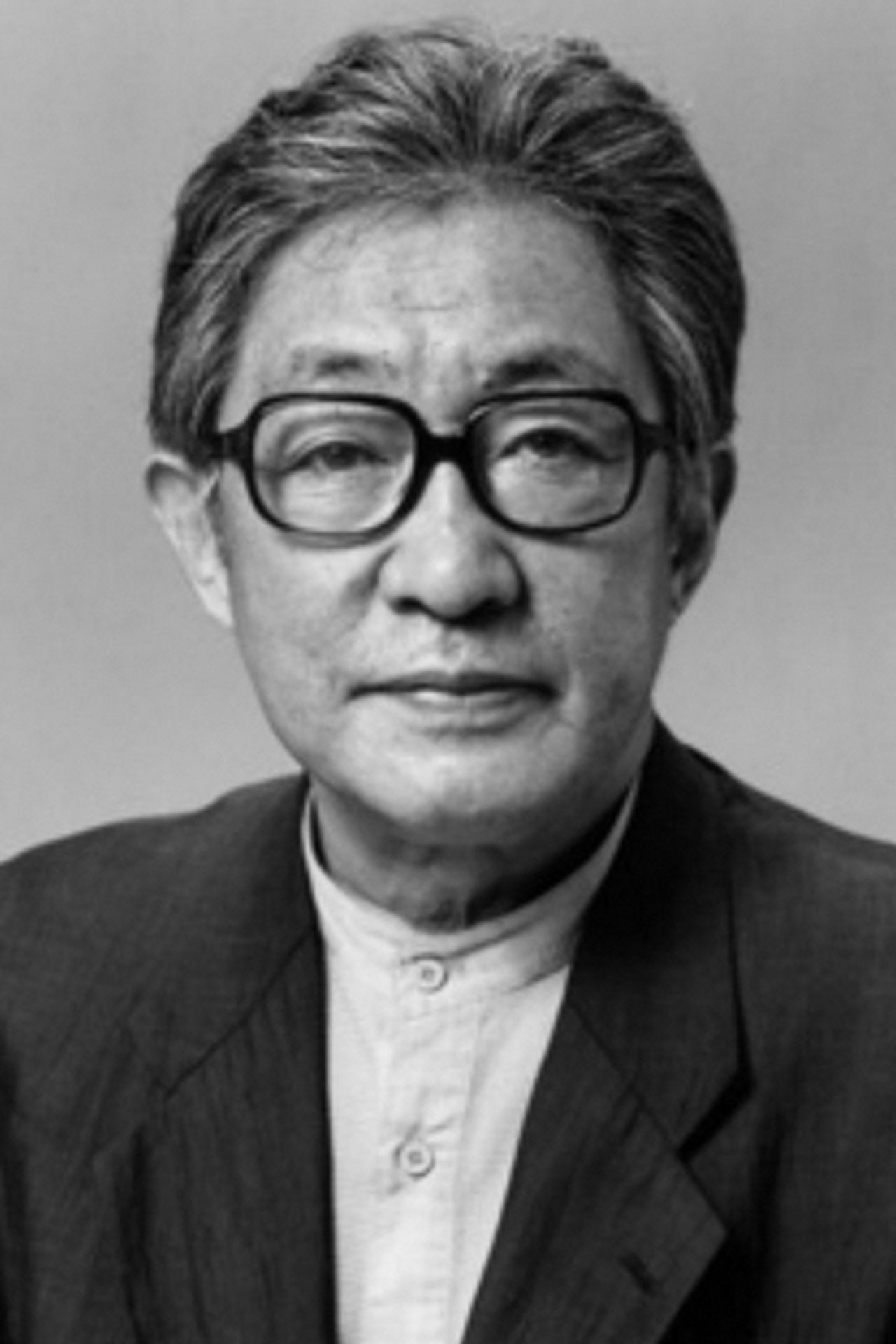 Kazuo KitamuraKitagô Sôchô
 Toshio TakaharaChôsen e Iku Heichô
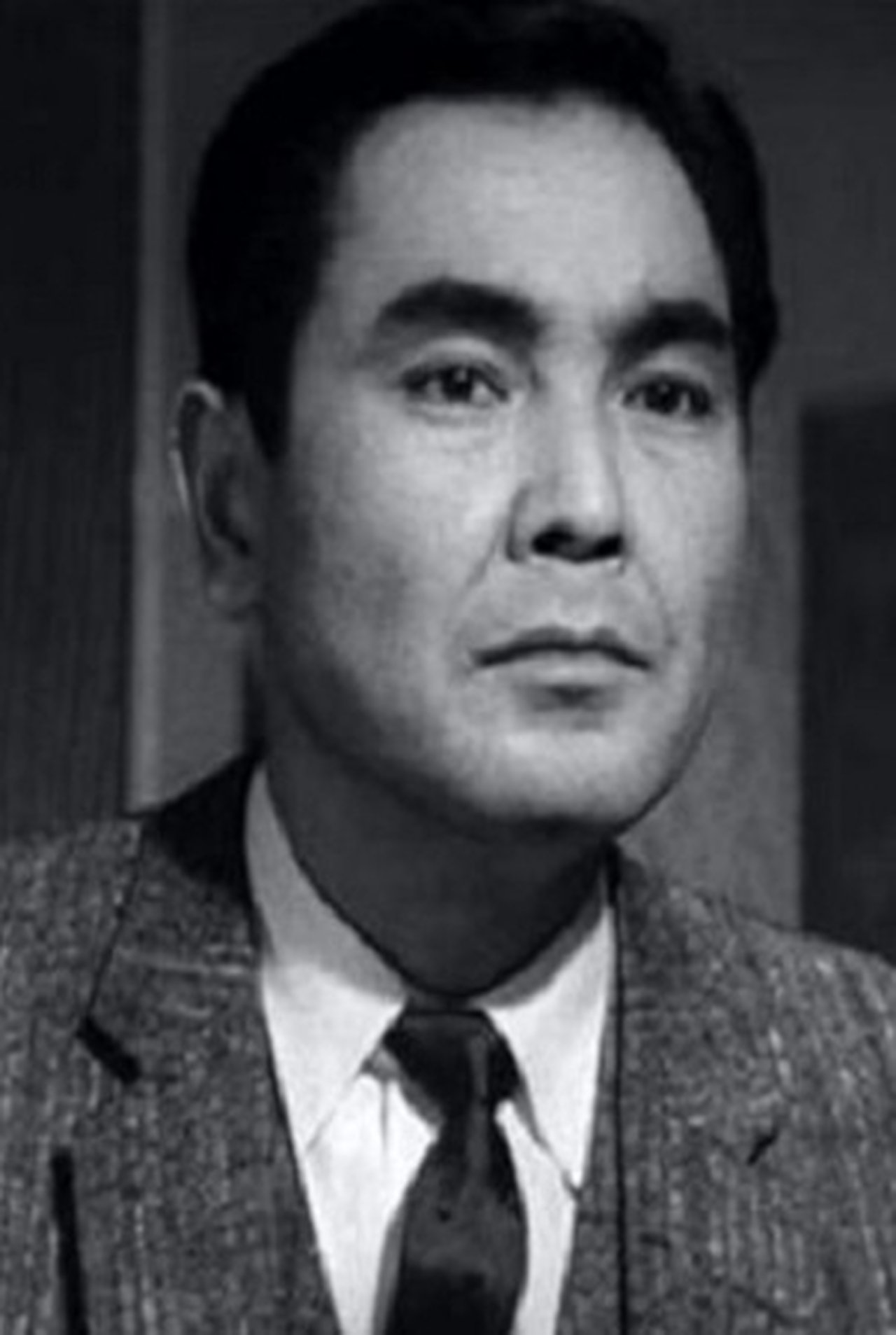 Akira Yamanouchi
 Hiroshi Nihon'yanagiNoge ShôsaKōichi HayashiMinagawa Tsûyaku
The Human Condition Collection
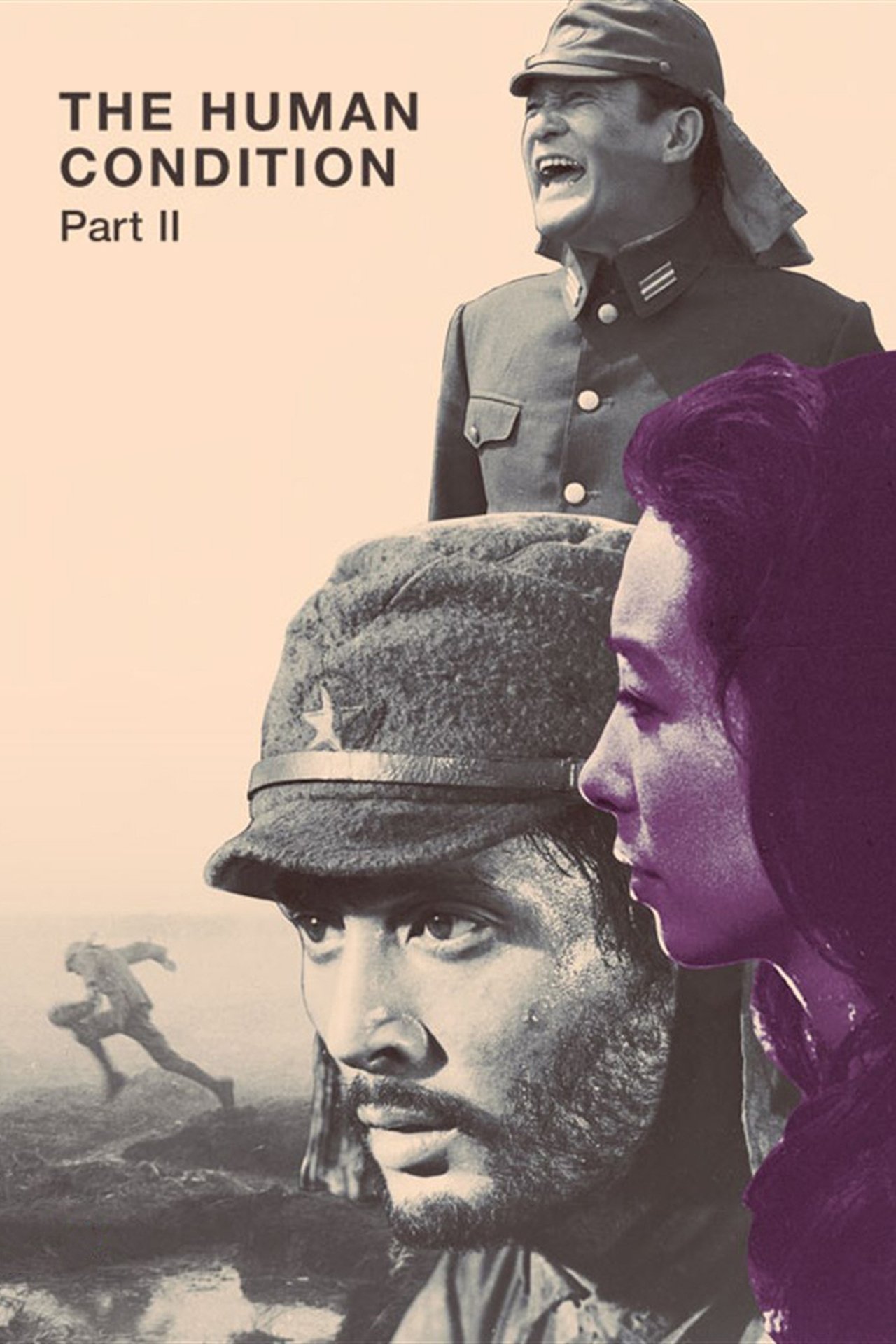
The Human Condition is a Japanese film epic released as a trilogy between 1959 and 1961. The trilogy follows the life of Kaji, a Japanese pacifist and socialist, as he tries to survive in the totalitarian and oppressive world of World War II-era Japan. Taken altogether as a single film, it is 9 hours and 47 minutes long, which includes intermissions, making it one of the longest narrative films ever made. While the films earned considerable controversy at the time of their release in Japan, The Human Condition was critically acclaimed, won many international awards, and has since established Masaki Kobayashi as one of the most important Japanese directors of his generation.

Reviews
No reviews yet — be the first to write one from the Log screen.
Quotes
No quotes yet.